

What Is Baijiu? A Guide from BAR KAP Singapore
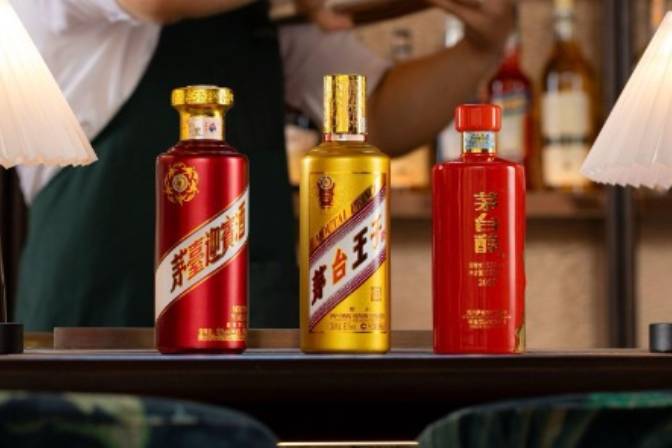
Baijiu is still made on an enormous scale, with China producing around 3.55 million kilolitres in 2025 even after years of falling output, and most guests who sit down at our counter have never knowingly tasted it. That gap is one of the more interesting things a bartender can work with.
Two of our signature cocktails in Singapore are built on it. Understanding what baijiu is makes both of them read very differently, and it takes about two minutes to explain.
Grain, Mould and Time
Baijiu is distilled from grain, most often sorghum, and fermented with a starter block called qu, a compressed cake of grain colonised by moulds and yeasts. The fermentation happens in mud-lined pits or buried clay jars, depending on the style, sometimes for months, and an old pit carries a microbial character that builds up over decades of use.
That is why baijiu tastes the way it does. The categories are usually described by aroma: light, strong, rice and sauce, running from clean and floral through to something closer to soy, mushroom and overripe fruit. Each category is also made a little differently. Rice aroma is distilled from rice instead of sorghum, while sauce aroma ferments in stone-lined pits through repeated rounds of fermentation and distillation that run across most of a year. A first encounter with the heavier styles can be startling, which is fair enough, especially at typical bottling strengths of 40 to 65 per cent alcohol by volume.
Two Places You Will Find It Here
The menu at a modern cocktail bar inside a national monument follows the story of the house itself, and baijiu turns up at both ends of it.
Pepper Peddler opens the Kapitan era with baijiu alongside gin, makgeolli, makrut, firewater, fizz and long pepper. The spirit gives the drink its backbone, and the long pepper answers it. Peppery, bright and assertive, it is where we send guests who want the sharper edge of the menu.
Tea Needle sits at the far end of the archive, in Dynasty. Bourbon, Benedictine, pu’er-washed baijiu, chinato, glutinous rice vinegar, cacao and hawthorn, stirred into something deep, tannic and exacting. Here the baijiu is a supporting line in the harmony instead of the melody.
Between the two, you get a fair picture of the spirit’s range. It can lead, and it can shade.
Tasting It Without the Shot Glass
Baijiu is traditionally poured neat into small cups and shared around a table of food, with each round marking a toast. Putting it into a built drink asks something different of the spirit, and finding the right balance takes careful work. Diluted, chilled and given acid and texture to work against, its savoury edges become flavour instead of shock.
Where to Start
If you are new to it, start with Pepper Peddler. It is an easy introduction to baijiu, and a good way to find out how much you enjoy the spirit before you explore the rest of the menu. Once you have had a glass, you may find baijiu is far easier to love than its reputation suggests. Book a table at BAR KAP and make baijiu the first thing you order.